By Sarah Harmon
Day
1: Video & Audio Books

Digital libraries allow students to read
books using audio and/or visual input. Sharma (2023) suggests that allowing
students to listen or watch books in pairs or small groups creates a group
activity around technology that supports interactive learning. Since the lesson’s
focus is on story elements rather than reading fluency, differentiation
includes allowing students to hear the story or see the story. Also, this
method would allow students to pause or stop and discuss with one another,
which engages them. Digital libraries and listening platforms such as
Youtube,
Vooks, Epic, PBS Kids, Harper Kids or LibriVox can bring in more varieties of
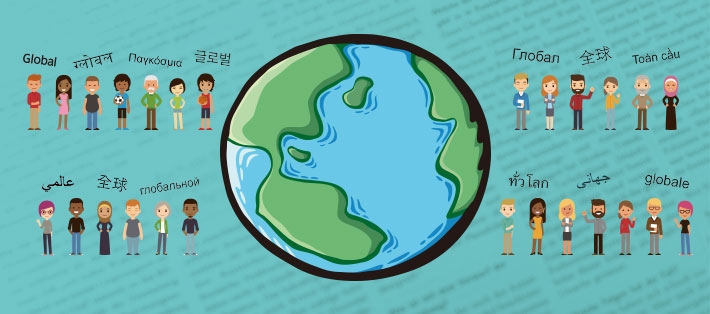
books that are culturally diverse. Dwyer (2016) says that students must first
have access to knowledge to open their minds and awareness which digital literacy
supports. Being present and observing the room can help ensure the technology
is being used appropriately, as well as a short exit ticket students could fill
in during listening.
Day
2: Google Classroom Graphic Organizers

Day
3: Nearpod or Google Slides
“Technology leads to student engagement when it’s a tool that allows students to design, build, and perform tasks that
would otherwise be difficult for them to do without access to the technological
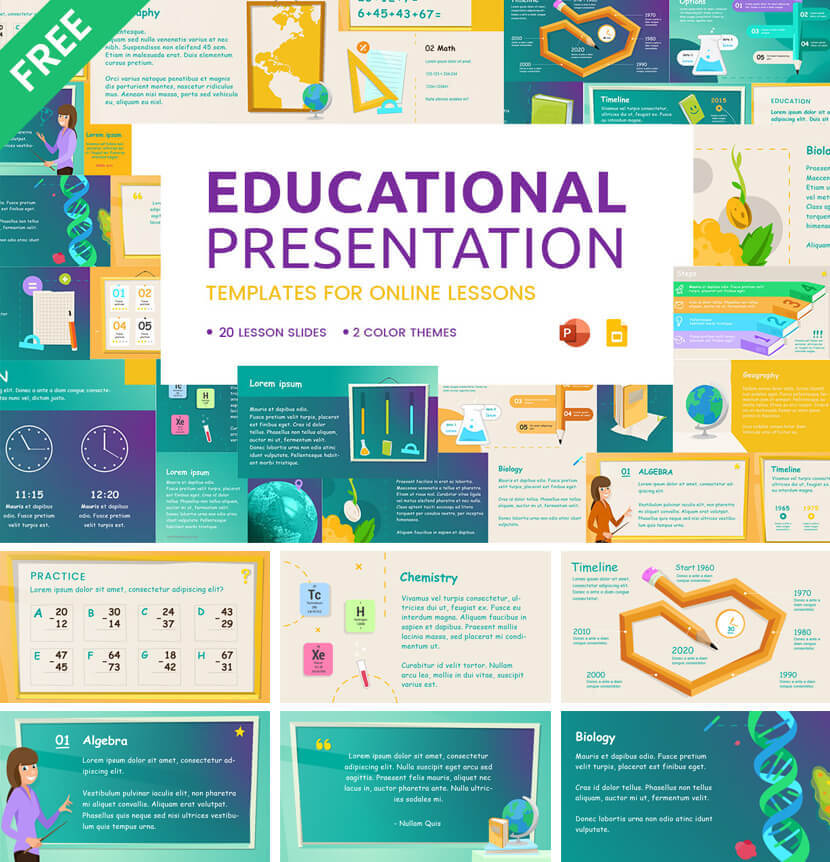
tools.” (Sharma, 2023) Creating a presentation that is visually appealing and
engaging is an important skill with which technology can tremendously support.
Google slides and Nearpod are platforms that support creating with audio,
pictorial/visuals, graphs/charts, etc. Students would be required to create a
presentation for their learning by choosing from a variety of options. Nearpod
has a library with many resources for students to use as examples or brainstorm
ideas from students and professionals all over the world. Google also has
sharing capability and options to video present slides to students in different
locations. Using a rubric will assist students in appropriately meeting
learning targets. An aspect of being a digital citizen is having integrity and
properly citing to avoid plagiarism which would be explicitly taught and added
to the rubric.
Reference
Dwyer, B. (2016). Teaching and learning in
the global village: Connect, create, collaborate, and communicate. Reading Teacher, 70(1), 131–136. https://doiorg.lopes.idm.oclc.org/10.1002/trtr.1500
Explorance. (2023). 7 reasons why students need technology in the classroom. https://explorance.com/blog/7-reasons-students-need-technology-classroom/
Sharma, S. (2023). Supporting student engagement
with technology. Edutopia. https://www.edutopia.org/article/using-technology-support-student-engagement/#:~:text=Technology%20leads%20to%20student%20engagement,that's%20different%20from%20everyone%20else's
Comments
Post a Comment